
Cărți

Theory of Colours

Brand: Johann Wolfgang Von Goethe

222,92 lei

Preț anterior: 247,69 lei −10%

Magazin: libris.ro

Este posibil ca informațiile și prețul acestui produs să nu mai fie actuale. Verifică disponibilitatea la magazin.
Vezi în magazin

Prețul și informațiile pot fi diferite la magazin. Comanda, plata și livrarea se fac direct la magazin.

Link afiliat: Gizmoo poate primi un comision.

Descriere

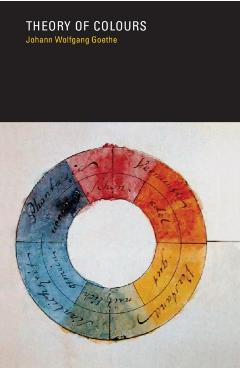
By closely following Goethe's explanations of the color phenomena, the reader may become so divorced from the wavelength theory-Goethe never even mentions it-that he may begin to think about color theory relatively unhampered by prejudice, ancient or modern. By the time Goethe's Theory of Colours appeared in 1810, the wavelength theory of light and color had been firmly established. To Goethe, the theory was the result of mistaking an incidental result for an elemental principle. Far from pretending to a knowledge of physics, he insisted that such knowledge was an actual hindrance to understanding. He based his conclusions exclusively upon exhaustive personal observation of the phenomena of color. Of his own theory, Goethe was supremely confident: "From the philosopher, we believe we merit thanks for having traced the phenomena of colours to their first sources, to the circumstances under which they appear and are, and beyond which no further explanation respecting them is possible." Goethe's scientific conclusions have, of course, long since been thoroughly demolished, but the intelligent reader of today may enjoy this work on quite different grounds: for the beauty and sweep of his conjectures regarding the connection between color and philosophical ideas; for an insight into early nineteenth-century beliefs and modes of thought; and for the flavor of life in Europe just after the American and French Revolutions. The book does not have to be studied to be appreciated. Goethe's subjective theory of colors permits him to speak most persuasively of color harmony and aesthetics. In some readers these notions will evoke a positive response on their merits. Others may regard them as pure fantasy, but savor the grace and style of their exposition. The work may also be read as an accurate guide to the study of color phenomena. Goethe's conclusions have been repudiated, but no one quarrels with his reporting of the facts to be observed. With simple objects-vessels, prisms, lenses, and the like-the reader will be led through a demonstration course not only in subjectively produced colors, but also in the observable physical phenomena of color. By closely following Goethe's explanations of the color phenomena,

Produse similare

www.libris.ro

Hand Dyeing Yarn and Fleece

No crafter should feel limited by the yarn colours available in a favourite fibre shop not when it's so fun and satisfying to hand-dye yarn and fleece right in the kitchen. Ultimate color control is now within the reach of anyone who loves yarn and fleece. In "Hand Dyeing Yarn And Fleece", self-taug

Gail Callahan111,60 lei

Este posibil ca informațiile să nu mai fie actuale.

Hand Dyeing Yarn and Fleece
carturesti.ro

The Nature of Order | Christopher Alexander

In Book Three of this four-volume work, Alexander presents hundreds of his own buildings and those of his contemporaries who have used methods consistent with the theory of living process.Containing nearly seven hundred pages of projects which have been built and planned in a number of countries ove

ROUTLEDGE441,00 lei

The Nature of Order | Christopher Alexander
carturesti.ro

On Architecture Vol.2 - Books 6-10 | Vitruvius

Vitruvius (Marcus V. Pollio), Roman architect and engineer, studied Greek philosophy and science and gained experience in the course of professional work. He was one of those appointed to be overseers of imperial artillery or military engines, and was architect of at least one unit of buildings for

Harvard University Press153,00 lei

On Architecture Vol.2 - Books 6-10 | Vitruvius