Best defined as the art of shaping the built environment, urban design seeks to understand and analyze the variety of forces—social, economic, cultural, legal, ecological, and aesthetic—that affect how we live. The complex challenges facing cities today—scarcity of resources, growing economic divisions, and rampant sprawl, among others—are forcing a reconsideration of urban design. New Urbanism, a leading movement within urban design, advocates a return to small-town urban forms: human-scale, pedestrian-friendly streets, a reinvigoration of cities, and a stop to suburban sprawl. This new volume, drawing on a conference and debates at the Royal Institute of Technology in Stockholm, Sweden, comprehensively examines New Urbanism today and speculates about it’s future. With contributions from Christopher Alexander, Leon Krier, Peter Hall, Andrés Duany, Elizabeth Plater-Zyberk, Jeff Speck, William McDonough, Peter Calthorpe, Jan Gehl, Lars Lerup, Edward Soja, and Saskia Sassen, among others, New Urbanism and Beyon
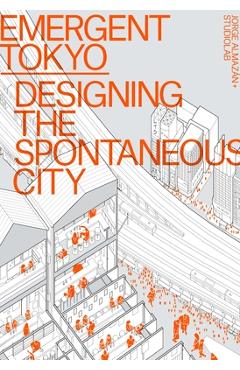
Tokyo is one of the most vibrant and livable cities on the planet, a megacity that somehow remains intimate and adaptive. Com-pared to Western metropolises like New York or Paris, however, few outsiders understand Tokyo's inner workings. For cities around the globe mired in crisis and seeking new mo
Jorge Almazn167,40 lei
Este posibil ca informațiile să nu mai fie actuale.
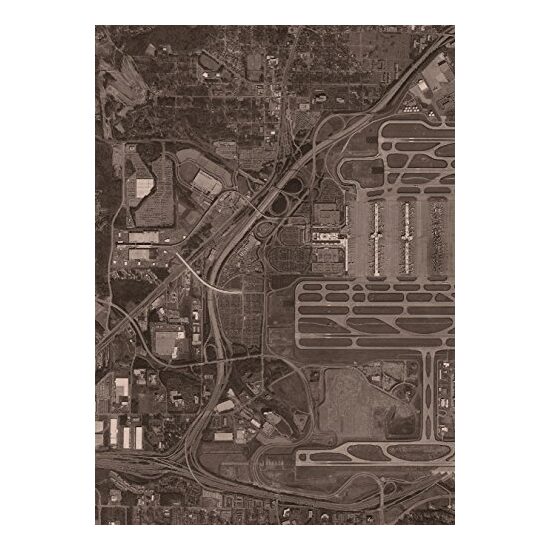
Infrastructural Monument presents the proceedings of the first of two conferences organized by MIT''s new Center for Advanced Urbanism around the biennial theme of infrastructure. Held in the spring of 2013, the "Infrastructural Monument" conference gathered designers, developers, policy experts, an