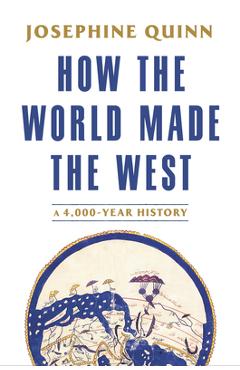
An award-winning Oxford history professor overturns the way the West thinks about itself, tracing its innovations and traditions to societies from all over the world and making the case that the West is, and always has been, truly global. In How the World Made the West, Josephine Quinn poses perhaps the most significant challenge ever to the civilizational thinking regarding the origins of Western culture--that is, the idea that civilizations arose separately and distinctly from one another. Rather, she locates the roots of the modern West in everything from the law codes of Babylon, Assyrian irrigation, and the Phoenician art of sail to Indian literature, Arabic scholarship, and the metalworking riders of the Steppe, to name just a few examples. According to Quinn, reducing the backstory of the modern West to a narrative that focuses on Greece and Rome impoverishes our view of the past. This understanding of history would have made no sense to the ancient Greeks and Romans themselves, who understood and discussed their own connections to and borrowings from others. They consistently presented their own culture as the result of contact and exchange. Quinn builds on the writings they left behind with rich analyses of other ancient literary sources like the epic of Gilgamesh, holy texts, and newly discovered records revealing details of everyday life. A work of breathtaking scholarship, How the World Made the West also draws on the material culture of the times in art and artifacts as well as findings from the latest scientific advances in carbon dating and human genetics to thoroughly debunk the myth of the modern West as a self-made miracle. In lively prose and with bracing clarity, as well as through vivid maps and color illustrations, How the World Made the West challenges the stories the West continues to tell about itself. It redefines our understanding of the Western self and civilization in the cosmopolitan world of today. An award-winning Oxford history professor overturns the way the West thinks about itself, tracing its innovations and traditions to societies from all over the world and making the case that the West is, and always has been, truly global. Superb, refreshing, and full of delights, this is world history at its best.--Simon Sebag Montefiore, author of The World: A Family History of Humanity In How the World Made the West, Josephine Quinn poses perhaps the most significant challenge ever to the civilizational thinking regardin
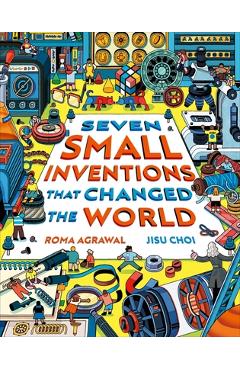
Technology and engineering surround us. From HUGE things, like spaceships and skyscrapers, to much smaller things like the toaster in our kitchen, and the shoes on our feet. But all of these things only exist because of seven small inventions: the nail , the wheel , the spring , the magnet , the len
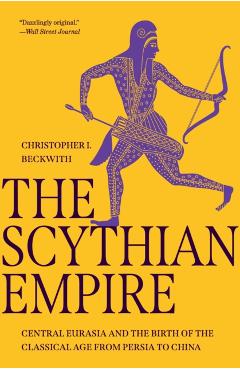
A rich, discovery-filled history that tells how a forgotten empire transformed the ancient world In the late 8th and early 7th centuries BCE, Scythian warriors conquered and unified most of the vast Eurasian continent, creating an innovative empire that would give birth to the age of philosophy and
From the co-director of the Endangered Language Alliance, a captivating portrait of contemporary New York City through six speakers of little-known and overlooked languages, diving into the incredible history of the most linguistically diverse place ever to have existed on the planet Half of all 7,0
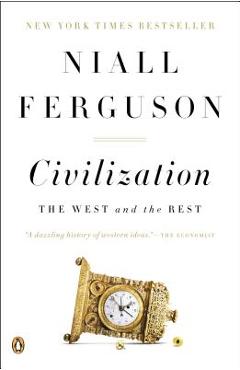
Civilization is the definitive history of Western civilization's rise to global dominance--and the killer applications that made this improbable ascent possible: competition, science, the rule of law, consumerism, modern medicine, and the work ethic. From the bestselling author of The Ascent of Mone