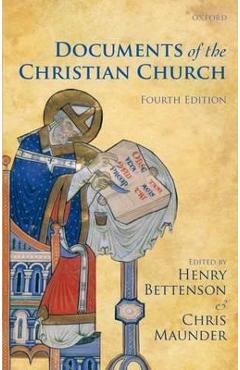
This selection of writings from the most important moments in the history of Christianity has become established as a classic reference work, providing insights into 2000 years of Christian theological and political debate. While retaining the original material selected by Henry Bettenson, Chris Maunder has added a substantial section of more recent writings. These illustrate the Second Vatican Council; the theologies of liberation; Church and State from 'Thatcher's Britain' to Communist Eastern Europe; Black, feminist, and ecological theology; ecumenism; and inter-faith dialogue. The emphasis on moral debate in the contemporary churches is reflected in selections discussing questions about homosexuality, divorce, AIDS, and in-vitro fertilization, amongst other issues. This further expanded fourth edition brings the anthology up-to-date with a new section looking at issues facing the twenty-first century churches. This includes extracts exploring the churches' responses to questions of social justice, international politics, trade and debt, environmental change, and technological development. New material also covers the global growth of Christianity, the progress of Christian unity, and mission in multi-faith and postmodern societies.
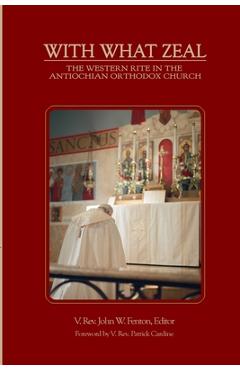
This volume is a compilation of documents and essays which are intended to describe the mission, history, and practice of the Western Rite Vicariate in the Antiochian Orthodox Christian Church. The book consists of four parts: Foundational Documents; History of the Western Rite; Liturgical Practices
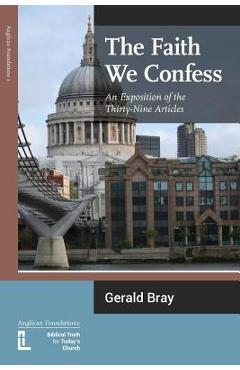
Bray examines the 39 Articles of Religion, one of the three historic formularies of the Church of England. Along with the Book of Common Prayer and the Ordinal, they gave the church its distinctive identity at the time of the Reformation. The Thirty-Nine Articles of Religion are one of the three his
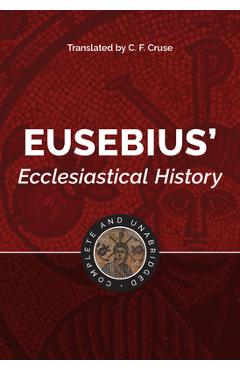
Eusebius' Ecclesiastical History is one of the classics of early Christianity and of equal stature with the works of Flavius Josephus. Eusebius chronicles the events of the first three centuries of the Christian Church in such a way as to record a vast number of vital facts about early Christianity
Philip Schaff's classic work colloquially known as Early Church Fathers, is an invaluable resource filled with the primary documents, and early theological building blocks for the Christian Church. Comprised of 38 volumes it is broken into three parts, the Ante-Nicene Fathers, and Nicene and Post-Ni