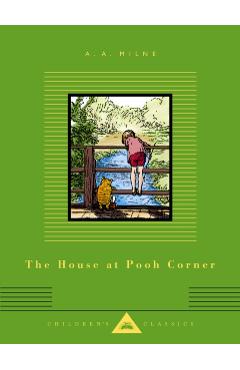
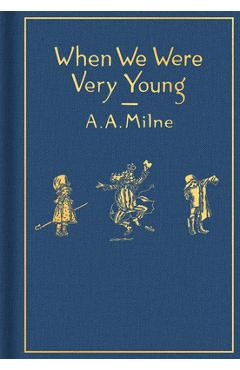
A gorgeous, full-color, hardcover edition of one of the most beloved children's classics in our literature--with newly colorized illustrations on every page The iconic adventures of Christopher Robin, Winnie-the-Pooh, and their animal friends--Piglet, Kanga and Roo, Owl, Rabbit, Tigger, and Eeyore--have delighted generations of children. For this beautiful edition of A. A. Milne's second book featuring these characters, The House at Pooh Corner, each of Ernest H. Shepard's classic original illustrations has been meticulously hand painted. Bright in color and elegant in design, this lovely volume of Milne's classic tales welcomes friends old and new into the most enchanted of places, the Hundred Acre Wood. Everyman's Library pursues the highest production standards, printing on acid-free cream-colored paper, with full-cloth cases with two-color foil stamping, decorative endpapers, silk ribbon markers, and European-style half-round spines.
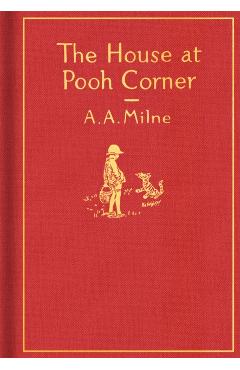
P. Dutton, this elegant edition of Milne's The House on Pooh Corner features a textured case, gold foil stamping, and illustrated endpapers, and includes Shepard's original illustrations. Following the instant success of the first edition replica of Winnie-the-Pooh , this gorgeous collectible editio
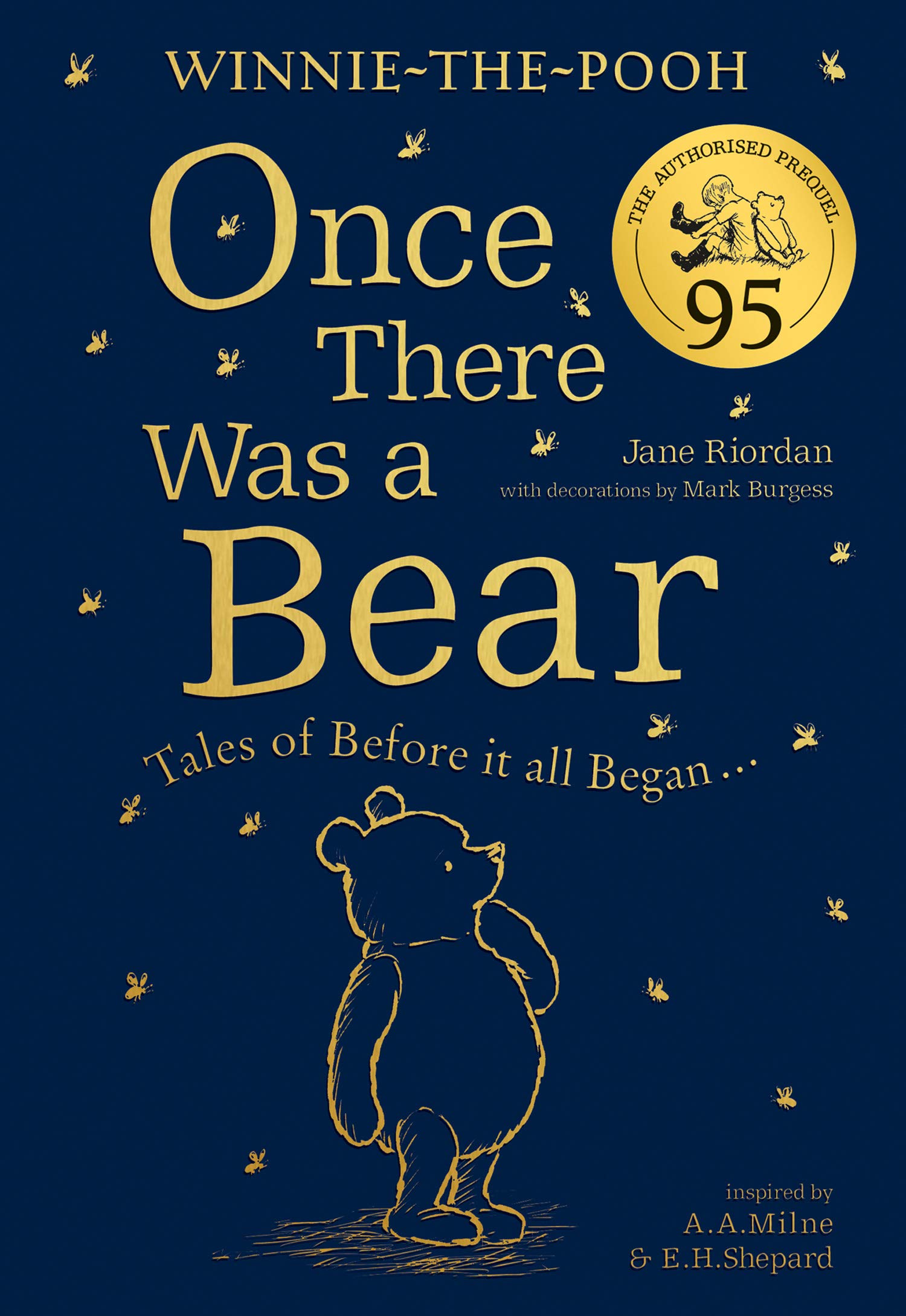
Help celebrate Winnie-the-Pooh's anniversary with Winnie-the-Pooh: Once There Was a Bear (the Official 95th Anniversary Prequel)We all have a place in our hearts for the adventures of Winnie-the-Pooh, as told by A.A.Milne in Winnie-the-Pooh and The House at Pooh Corner. In honour of the 95th anniver
A. A. Milne was born in England in 1882, the third and youngest son of London schoolteachers. As a boy he wrote verses, parodies, and short humorous pieces for his school's paper. He went on to study at Cambridge. In 1903 he left school to write. Before long he was supporting himself on his earnings
A. A. Milne was born in England in 1882, the third and youngest son of London schoolteachers. As a boy he wrote verses, parodies, and short humorous pieces for his school's paper. He went on to study at Cambridge. In 1903 he left school to write. Before long he was supporting himself on his earnings