For over half a century, scholars have laboured to show that C. S. Lewis's famed but apparently disorganised Chronicles of Narnia have an underlying symbolic coherence, pointing to such possible unifying themes as the seven sacraments, the seven deadly sins, and the seven books of Spenser's Faerie Queene. None of these explanations has won general acceptance and the structure of Narnia's symbolism has remained a mystery. Michael Ward has finally solved the enigma. In Planet Narnia he demonstrates that medieval cosmology, a subject which fascinated Lewis throughout his life, provides the imaginative key to the seven novels. Drawing on the whole range of Lewis's writings (including previously unpublished drafts of the Chronicles), Ward reveals how the Narnia stories were designed to express the characteristics of the seven medieval planets - - Jupiter, Mars, Sol, Luna, Mercury, Venus, and Saturn - - planets which Lewis described as "spiritual symbols of permanent value" and "especially worthwhile in our own generation". Using these seven symbols, Lewis secretly constructed the Chronicles so that in each book the plot-line, the ornamental details, and, most important, the portrayal of the Christ-figure of Aslan, all serve to communicate the governing planetary personality. The cosmological theme of each Chronicle is what Lewis called 'the kappa element in romance', the atmospheric essence of a story, everywhere present but nowhere explicit. The reader inhabits this atmosphere and thus imaginatively gains connaitre knowledge of the spiritual character which the tale was created to embody. Planet Narnia is a ground-breaking study that will provoke a major revaluation not only of the Chronicles, but of Lewis's whole literary and theological outlook. Ward uncovers a much subtler writer and thinker than has previously been recognized, whose central interests were hiddenness, immanence, and knowledge by acquaintance.
Millions of readers have been captivated by C. S. Lewis's famed Chronicles of Narnia, but why? What is it about these seven books that makes them so appealing? For more than half a century, scholars have attempted to find the organizing key--the secret code--to the beloved series, but it has remaine
Lanan, Jessica: - Jessica Lanan has long been enchanted by the mysteries of the cosmos. Exoplanets are too far away for her to visit, but illustrating them is the next best thing. Jessica currently lives in her native state of Colorado with her husband, three-legged cat, and baby daughter, who was b
In the first book of C.S. Lewis's legendary science fiction trilogy, Dr. Ransom is kidnapped and spirited by spaceship to the mysterious red planet of Malandra. He escapes and goes on the run, jeopardizing both his chances of ever returning to Earth and his very life. First published in 1943, this c
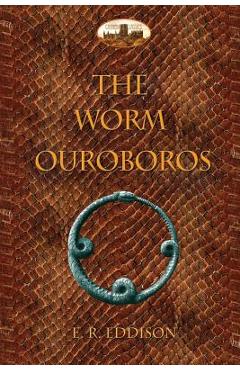
A novel of high fantasy and spellbinding imagination set on the (strangely earthlike) planet Mercury and peopled by Ghouls, Goblins, Imps, Demons, and Witches, The Worm Ouroboros tells the epic tale of the conflict between Witchland and Demonland, including an heroic quest to free Goldry Bluszco, ba